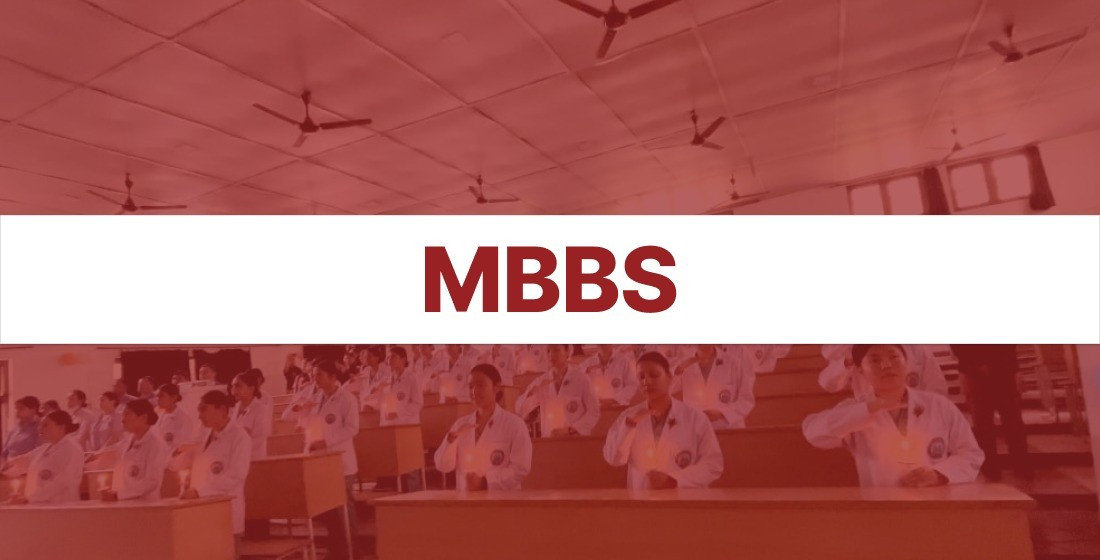
Preclinical MBBS Program
The Preclinical MBBS Program provides students with a strong scientific foundation essential for the study and practice of medicine. During this phase, students develop a comprehensive understanding of the normal structure and function of the human body while gaining insight into the biological mechanisms underlying health and disease.
The curriculum integrates basic medical sciences with early clinical exposure, encouraging students to connect theoretical knowledge with real-world medical practice. Through lectures, laboratory sessions, cadaveric dissection, practical demonstrations, small-group discussions, and self-directed learning, students build the analytical, communication, and professional skills required for their future clinical training.
Core subjects typically include:
- Human Anatomy
- Medical Genetics (where applicable)
- Community Medicine (Introductory)
- Medical Ethics and Professionalism
- Basic Clinical Skills and Communication
Students are trained in modern laboratories equipped with anatomical specimens, histology and pathology resources, physiological experiment facilities, and digital learning technologies. The program emphasizes critical thinking, evidence-based learning, teamwork, and ethical medical practice.
Upon successful completion of the preclinical phase, students possess the knowledge, practical competencies, and professional attitude necessary to progress into the paraclinical and clinical phases of the MBBS program, where they begin direct patient-centered learning and clinical rotations.